
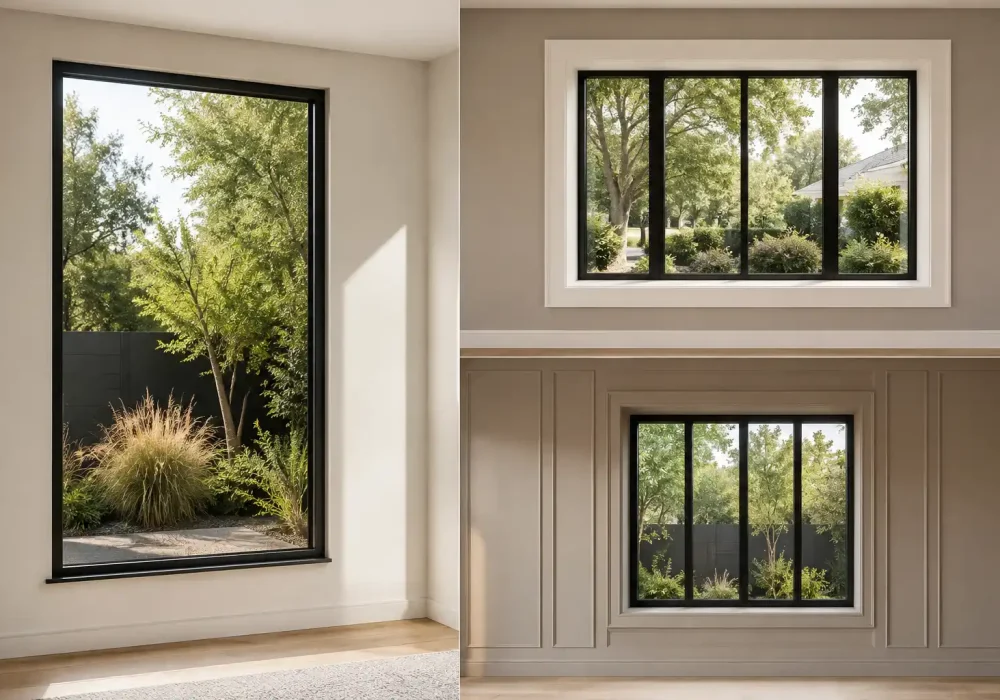
Window trim may seem like a small detail, but it can completely change how a window looks within a room. The right profile can make a simple opening feel finished, intentional, and connected to the rest of the interior.
Today’s window trim goes well beyond basic white molding. Slim dark frames, wide casings, layered profiles, subtle color treatments, and integrated wall details can all bring a different architectural character to a space.
The key is choosing a style that complements the window without overwhelming the wall around it. These ideas offer plenty of inspiration whether you prefer crisp contrast, understated detailing, or something with a little more visual presence.
The Window Trim Ideas Shaping More Polished Interiors
The following ideas explore different ways to frame and define a window, from streamlined black borders and broad statement casings to tonal finishes and architectural panel treatments. Each approach brings its own character, giving you practical inspiration for making windows feel like a considered part of the overall interior rather than an overlooked finishing detail.
Also Read: 12 Window Seat Ideas to Create a Cozy Home Retreat
1. Create a Striking Contrast With Slim Black Window Trim
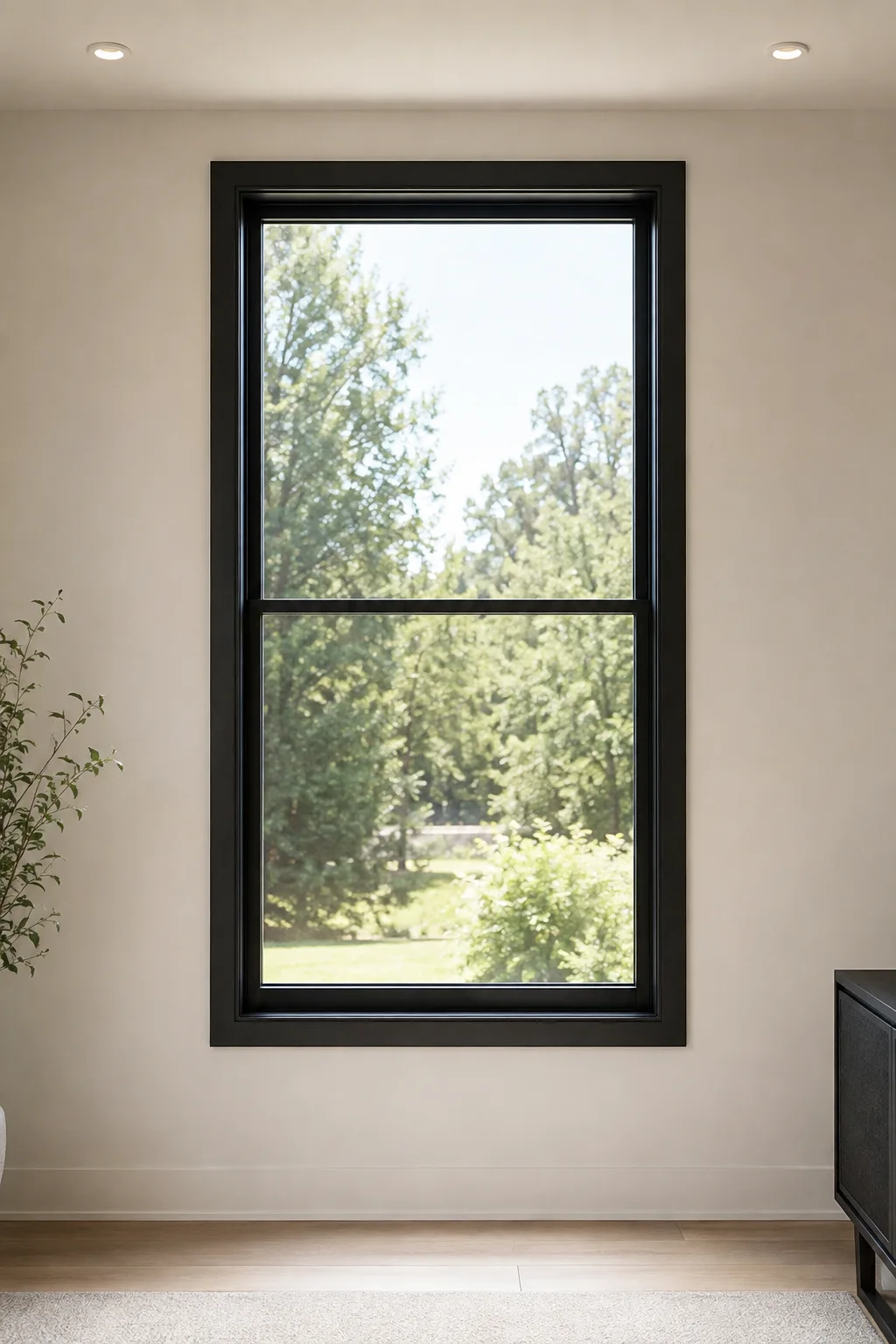
Slim black window trim gives a simple window a much stronger architectural presence. Against the soft neutral wall, the dark outline creates a crisp frame that naturally pulls attention toward the window without relying on decorative molding.
The flat profile keeps the treatment clean and contemporary, while the black finish adds enough contrast to make the edges feel intentional. It’s especially effective on tall windows, where the dark vertical lines can emphasize height and make the opening appear more substantial.
To keep the look balanced, pair black trim with light walls and restrained finishes nearby. Warm white, cream, and pale greige soften the contrast, while a few subtle black accents elsewhere can help the window feel connected to the overall interior.
Pro Tip: Use a matte or satin black finish for a smoother architectural look, and keep the casing profile simple so the contrast remains the main feature.
2. Give the Window More Presence With Wide White Casing
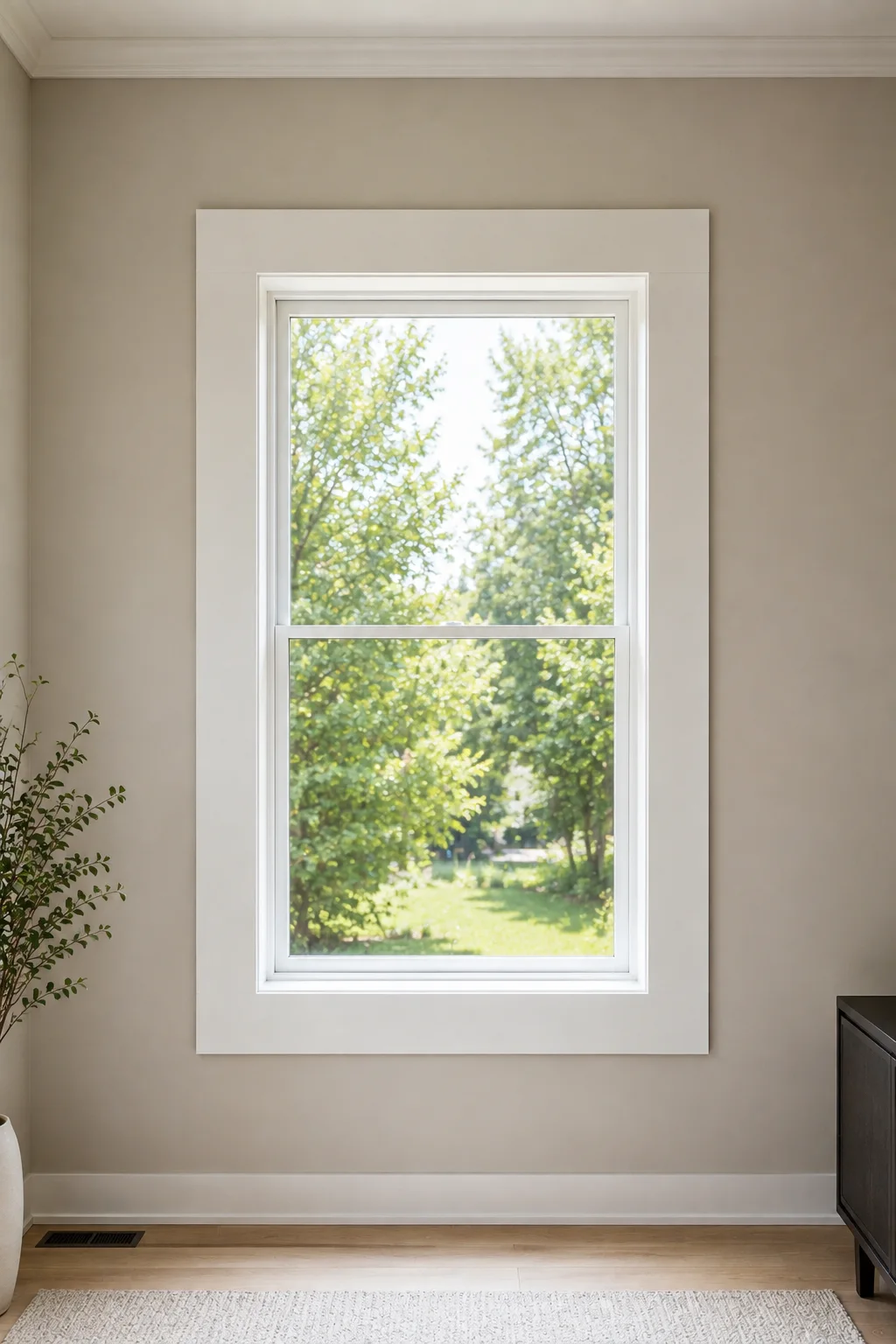
Wide white casing gives the window a stronger architectural frame while keeping the overall look bright and understated. The generous border creates a clear transition between the glass and the warm neutral wall, making the window feel more substantial.
Because the trim uses a broad, flat profile, it adds visual weight without introducing ornate detailing. The crisp rectangular shape also draws attention to the height of the window and gives an otherwise simple opening a more intentional, finished appearance.
This treatment works especially well when you want definition without the sharp contrast of a dark frame. Pairing white casing with beige, greige, or other soft neutral walls allows the trim to stand out gently while keeping the surrounding space calm and cohesive.
Pro Tip: When choosing wider casing, keep the profile flat and the corners clean. The extra width already provides plenty of visual impact, so additional molding details can make the window feel unnecessarily heavy.
3. Add Architectural Depth With Layered White Window Trim
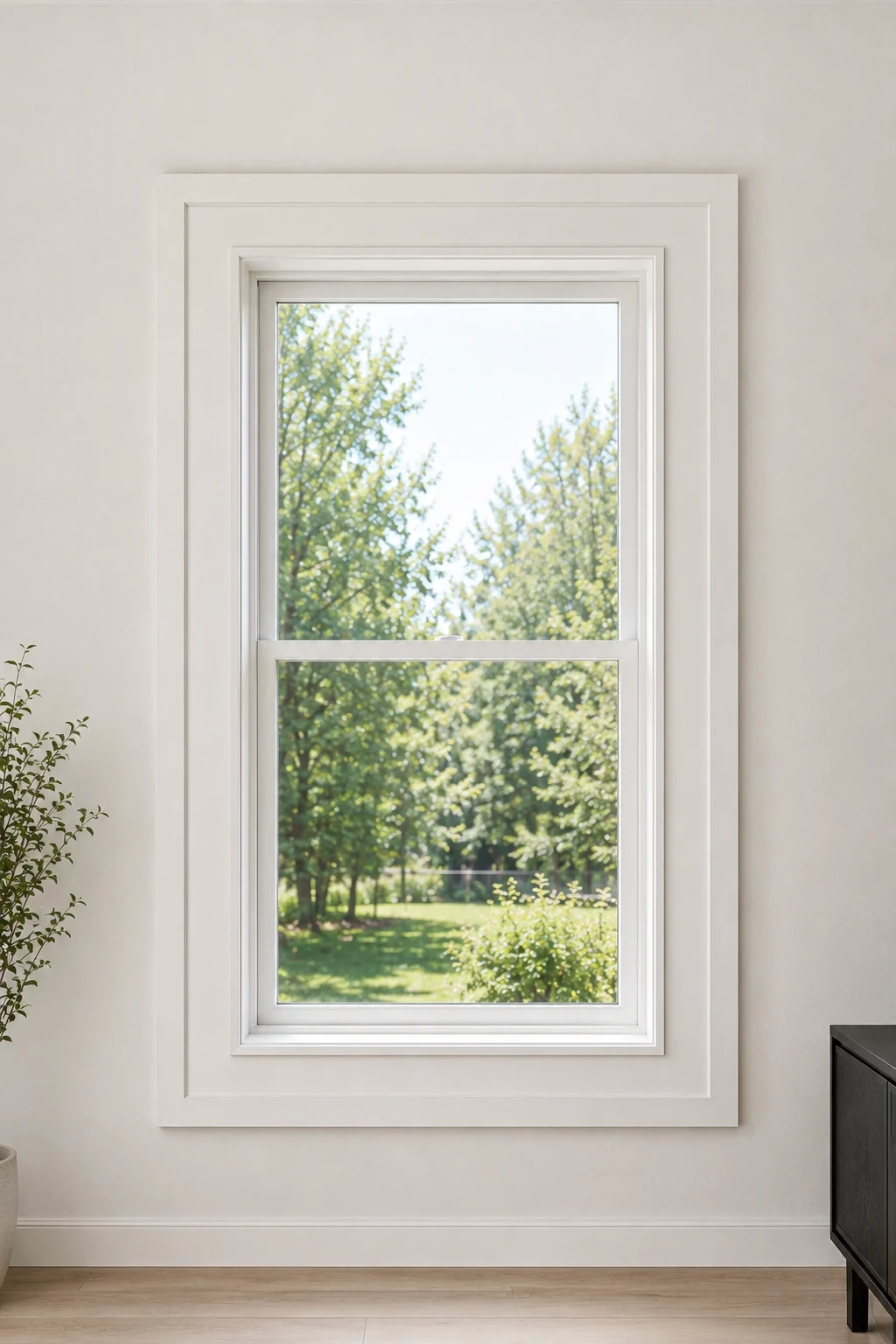
Layered white trim gives the window more dimension without depending on bold color or heavy ornamentation. The combination of an inner casing and a broader outer frame creates several clean edges, making the window feel more detailed and intentionally finished.
What makes this treatment effective is the subtle play of depth around the opening. Each layer projects slightly from the next, allowing natural light to create fine shadow lines that separate the profiles while keeping the entire design bright and cohesive.
This approach is especially useful when plain flat casing feels too simple but decorative molding feels like too much. Keeping every layer white allows the architectural detailing to stand out through shape and shadow rather than strong contrast or unnecessary embellishment.
Pro Tip: Limit the design to two or three clean trim levels and keep their spacing consistent. Too many layers can quickly make the window feel overly decorative instead of refined.
4. Turn a Deep Window Reveal Into an Architectural Feature
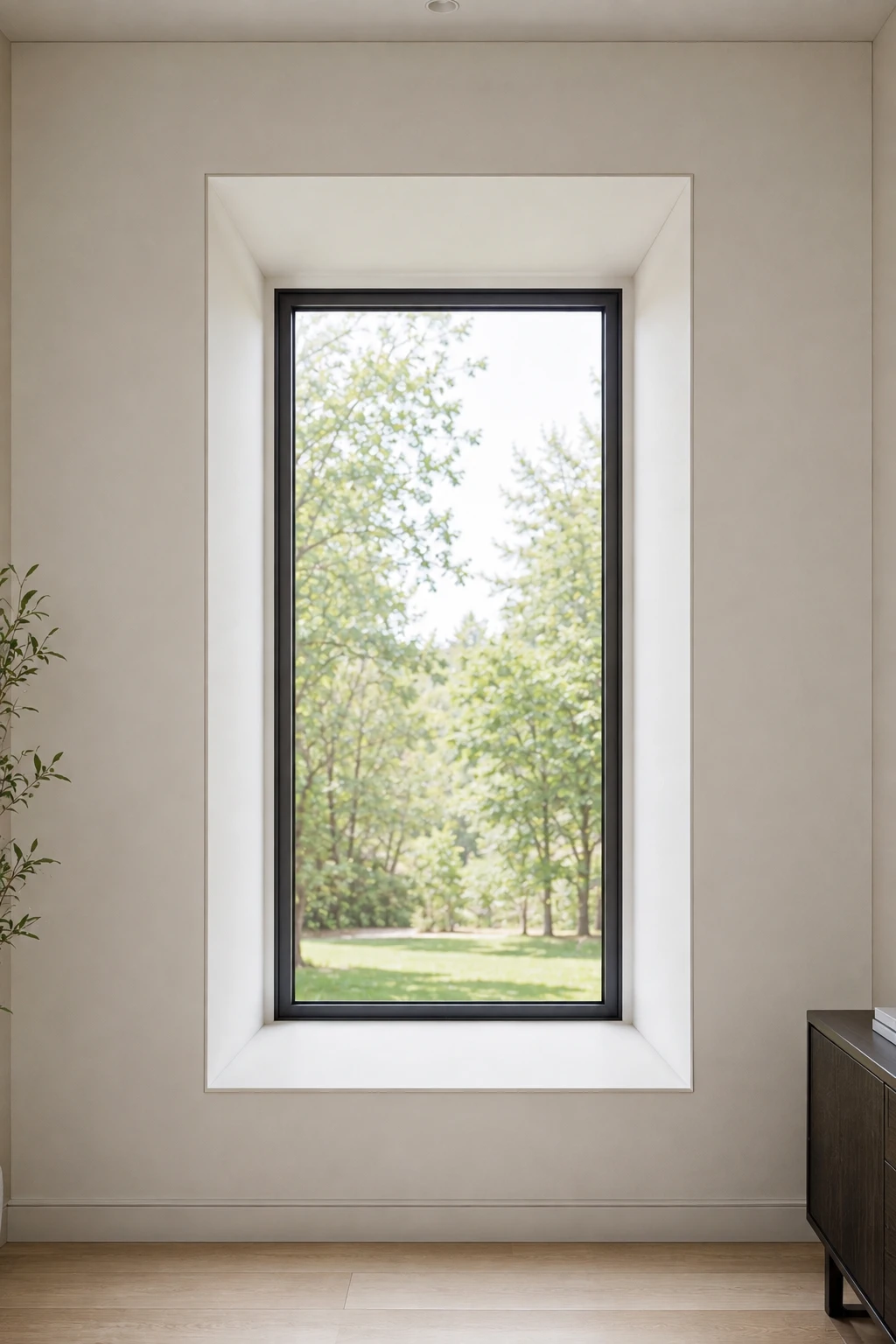
A deep window reveal creates impact through shape and proportion rather than decorative molding. Here, the window sits noticeably farther back within the wall, allowing the broad white surfaces around the opening to form a clean architectural frame.
The recessed construction also gives the window a greater sense of depth. Natural light falls differently across the top, sides, and lower ledge, producing subtle shadows that emphasize the thickness of the wall while keeping the overall treatment simple and polished.
A slim black inner frame provides just enough contrast at the deepest point of the opening. This combination works particularly well with tall windows because the generous reveal emphasizes their vertical proportions and makes the glass feel more intentionally integrated into the wall.
Pro Tip: Keep deep reveals light and minimally detailed so daylight can emphasize their depth naturally. A contrasting inner window frame can add definition without competing with the recessed architecture.
5. Keep the Look Crisp With Classic Picture Frame Casing
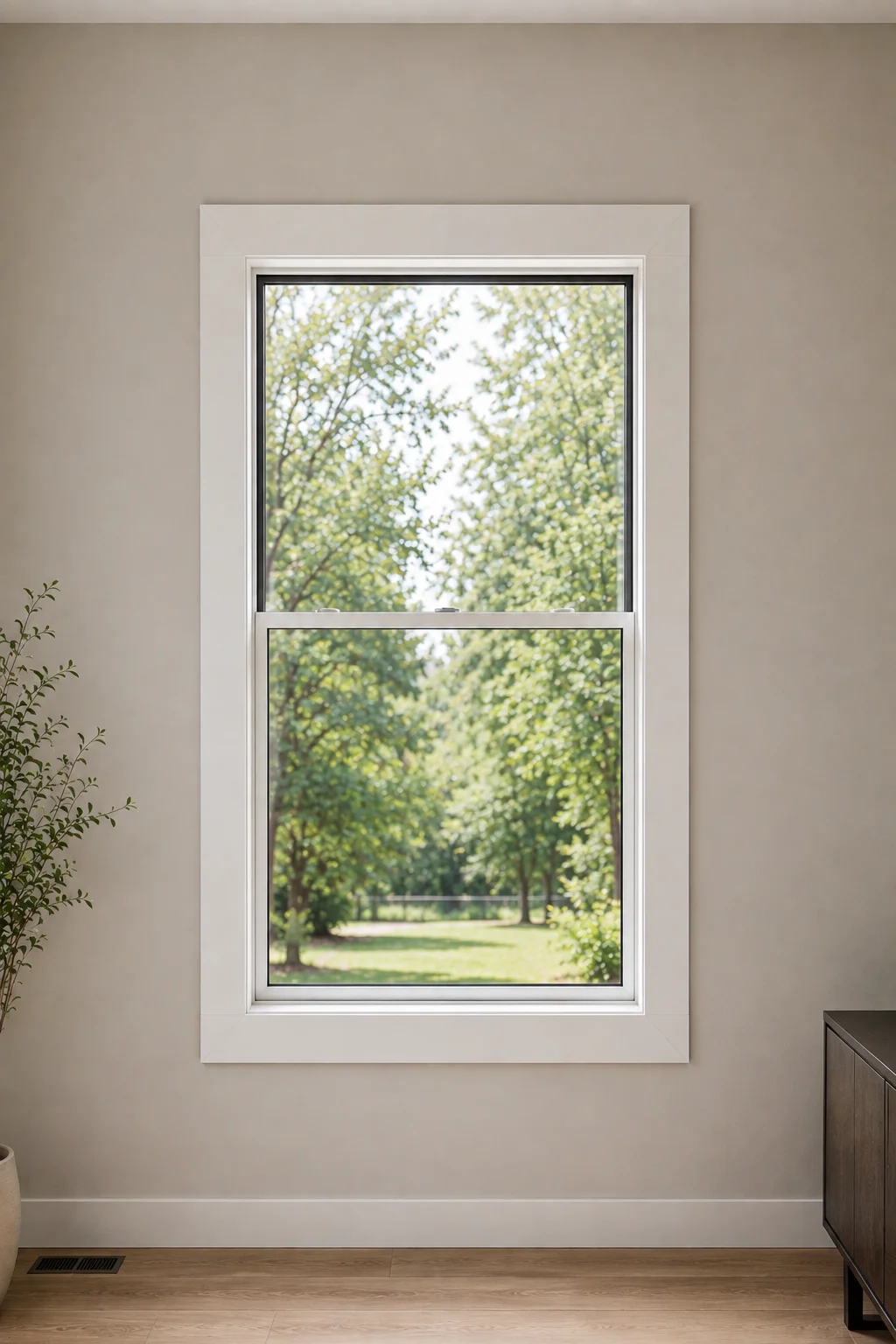
Picture frame casing gives the window a balanced, tailored finish by using trim of equal visual weight around all four sides. The clean rectangular border creates definition without making the window treatment feel overly detailed or decorative.
The broad flat boards also help separate the window from the warm neutral wall. Because the casing follows the window’s shape so precisely, the eye naturally focuses on the opening while the simple profile keeps the overall appearance polished and uncluttered.
This style is particularly versatile because it can work with different window sizes and wall colors. White casing creates gentle contrast against beige or greige walls, while matching the casing to the wall can produce a quieter, more seamless version of the same idea.
Pro Tip: Keep all four sides visually consistent and pay close attention to the corner joints. Precise proportions and clean connections are what give picture frame casing its sharp, custom finished appearance.
6. Stretch the Window Visually With Floor to Ceiling Trim
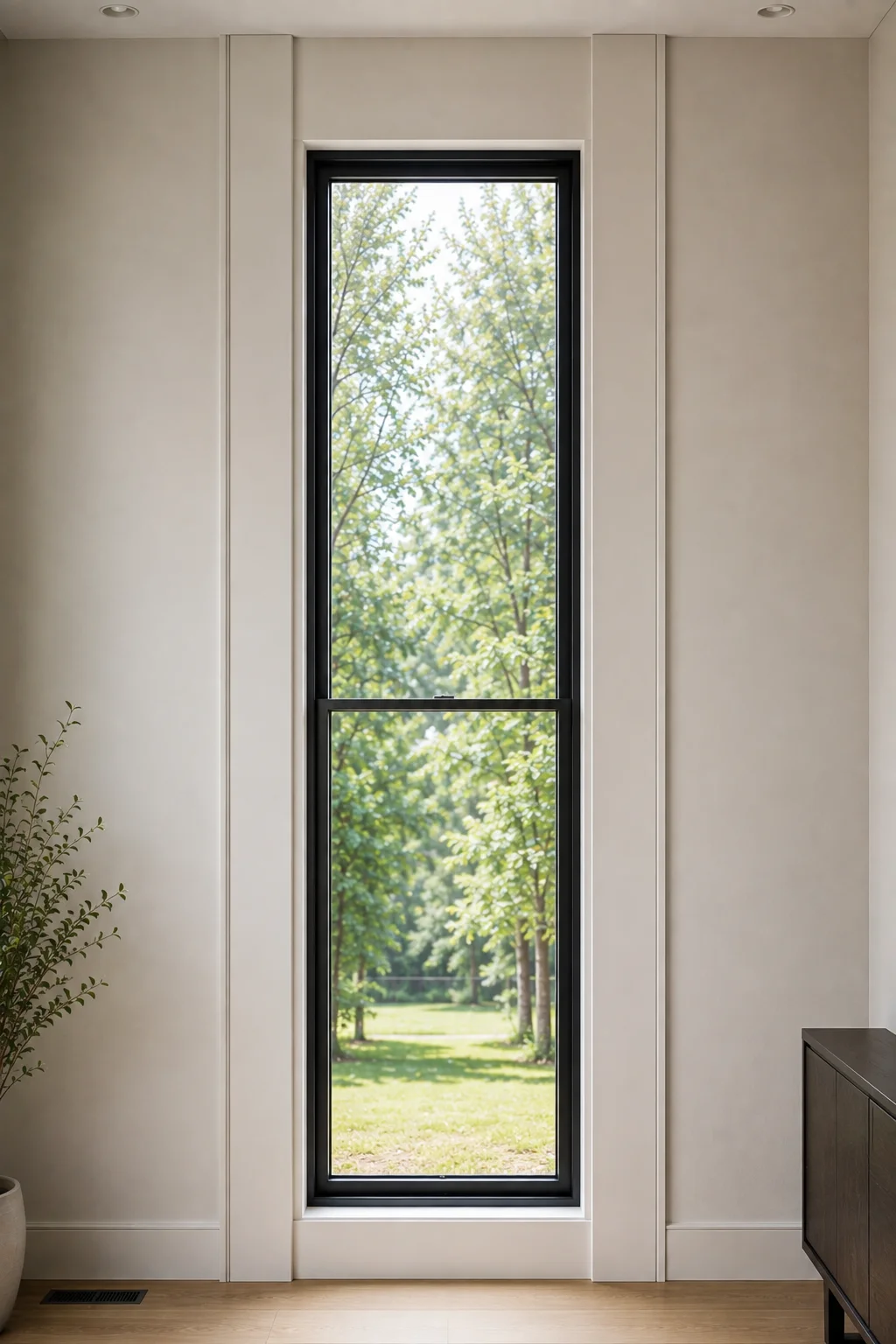
Extending trim from the floor toward the ceiling gives a tall window an even stronger vertical presence. Instead of framing only the opening, the long side pieces become part of the wall architecture and naturally guide the eye upward.
The effect works particularly well with narrow windows. The black inner frame creates a sharp outline around the glass, while the broader light trim adds structure without making the treatment feel bulky or overly decorative.
Keeping the extended trim close to the wall color also helps the design feel integrated rather than applied afterward. The result is a taller, more substantial looking window feature that can bring stronger proportions to an otherwise plain wall.
Pro Tip: Align extended vertical trim precisely with the floor and ceiling lines. Consistent widths and symmetrical placement are essential for making this treatment look intentional and professionally finished.
7. Let Tonal Window Trim Blend Seamlessly Into the Wall
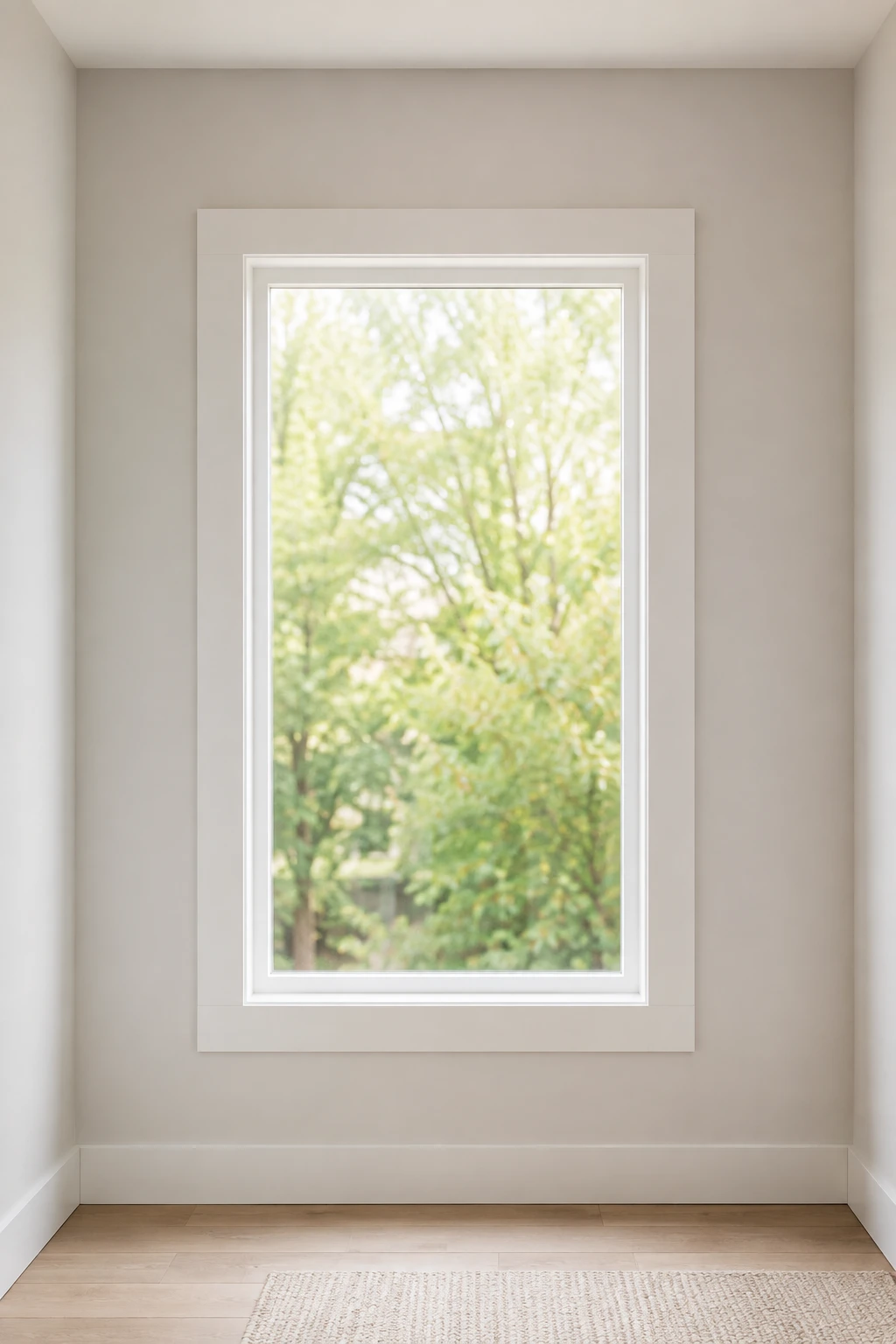
Matching the window trim closely to the wall color creates a softer architectural effect. Instead of relying on obvious contrast, the casing becomes part of the surrounding surface, giving the window a clean and carefully integrated appearance.
The broad flat profile still provides enough definition to frame the glass beautifully. Subtle changes in depth create gentle shadow lines around the edges, so the trim remains noticeable even though its warm neutral finish sits close to the color of the wall.
This approach works especially well when you want the window to feel polished without becoming the strongest visual feature in the space. Soft greige, taupe, cream, and warm white can create this tonal effect while keeping the wall calm and cohesive.
Pro Tip: Choose trim paint within the same color family as the wall, then use a slightly different sheen to create subtle definition without introducing a noticeable color contrast.
8. Make the Window a Focal Point With Bold Charcoal Casing
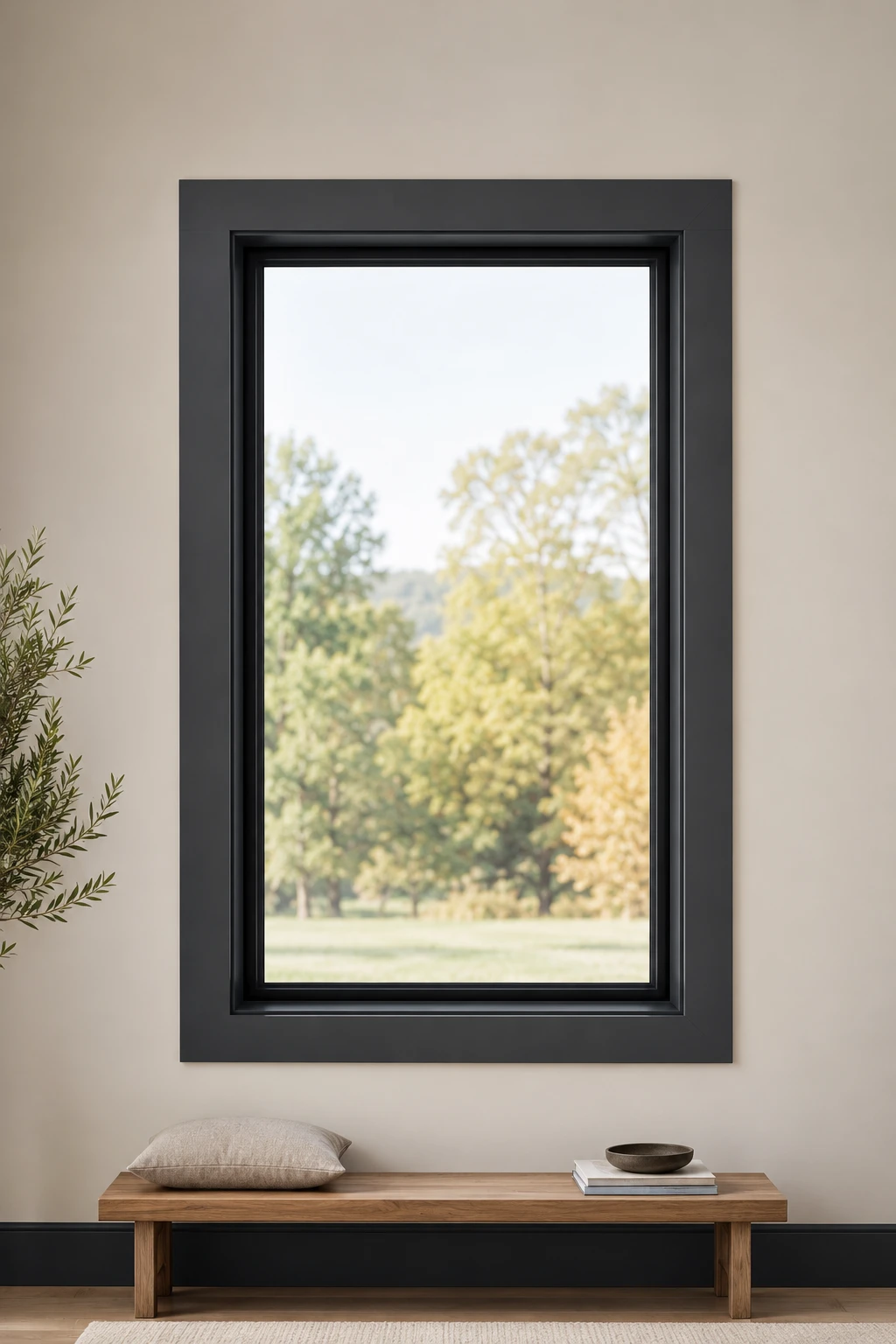
Deep charcoal casing gives the window a confident architectural presence without feeling as stark as pure black. The wide dark frame creates a strong boundary around the glass, turning a straightforward window into a deliberate feature on the lighter wall.
The generous trim width is what gives this treatment its impact. Rather than relying on decorative profiles, the design uses scale, clean edges, and rich color to create interest. The darker inner frame also blends naturally into the casing for a cohesive, layered appearance.
This idea works especially well on a wall with plenty of breathing room around the window. Warm white, cream, or pale greige walls provide a softer backdrop for charcoal, while a few dark details nearby can help carry the color through the space.
Pro Tip: Test charcoal paint beside your wall color before committing. A slightly warm charcoal often pairs more naturally with cream and beige walls than a cool blue based gray.
9. Create a Softer Finish With Warm Taupe Window Trim
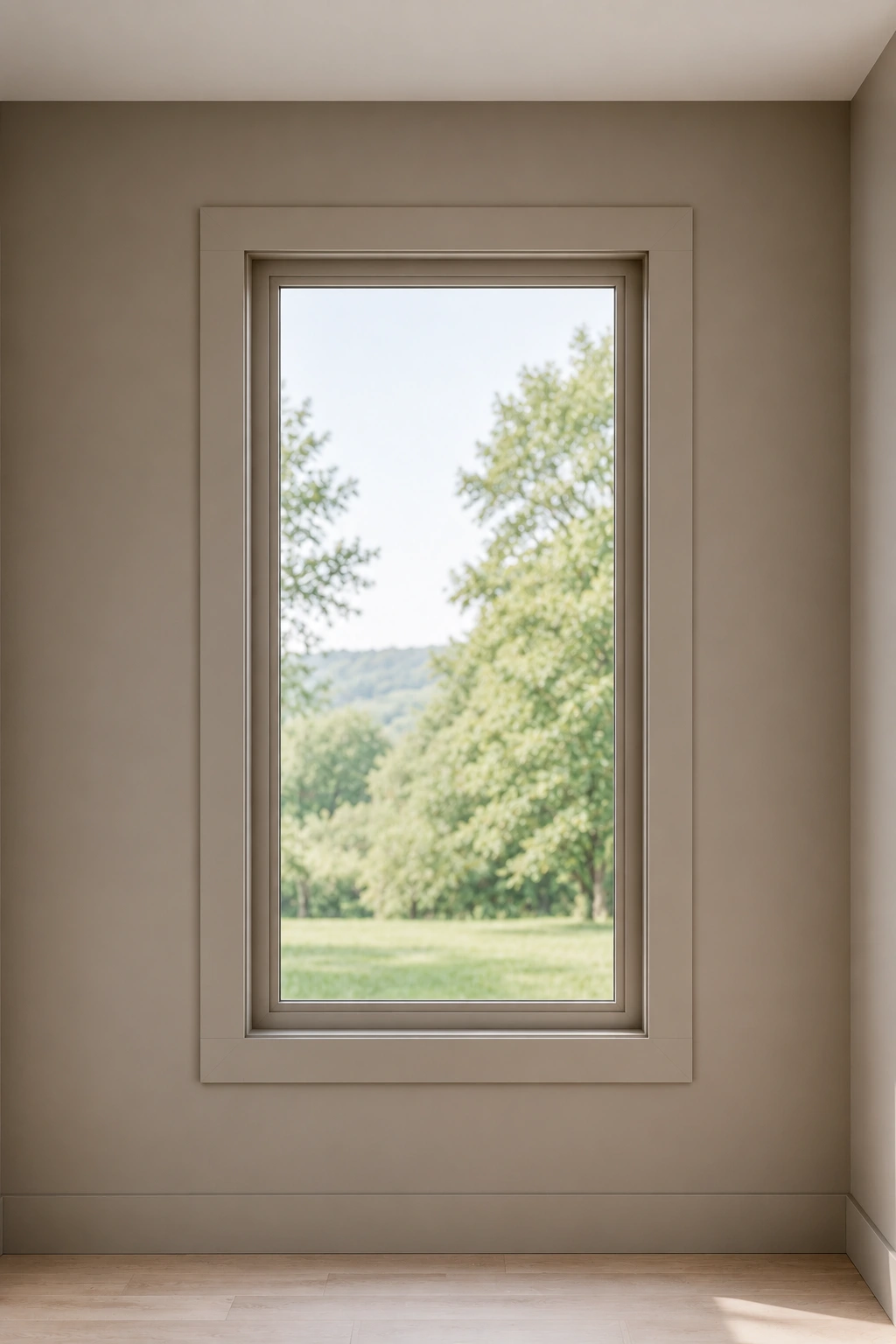
Warm taupe trim offers a subtle alternative to bright white or dramatic black casing. The muted finish sits comfortably against a similarly toned wall, giving the window definition while maintaining a soft and cohesive overall appearance.
The broad flat casing adds enough structure to make a tall window feel properly framed. Because the contrast is restrained, attention shifts toward the proportions, clean edges, and gentle shadow lines rather than the trim color itself.
This approach is especially effective in interiors built around warm neutrals. Beige, mushroom, stone, and soft brown tones can all work alongside taupe trim, creating a layered palette that feels considered without making the window overly prominent.
Pro Tip: Compare your taupe trim sample with the wall in both daylight and evening light. Warm neutral shades can shift noticeably throughout the day, so the undertones should remain complementary in different lighting conditions.
10. Balance Light and Dark With Two Tone Window Trim
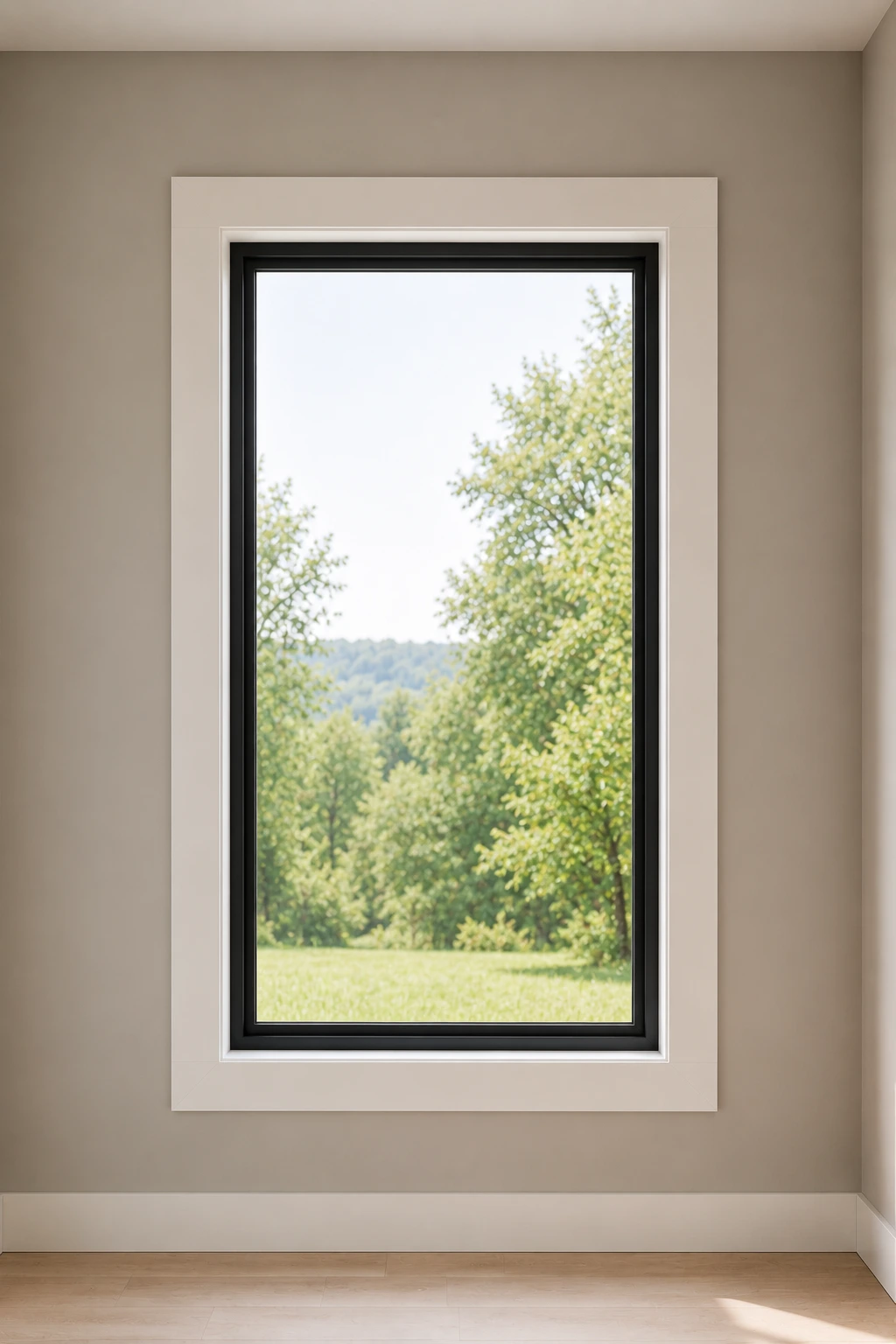
Two tone window trim creates definition by combining contrasting finishes within a single treatment. The slim black inner frame gives the glass a sharp outline, while the wider white outer casing provides a softer transition to the warm neutral wall.
The contrast also creates a natural sense of depth. Your eye first catches the dark frame around the glass, then moves outward to the broad light casing, allowing each layer of the window to feel distinct without introducing decorative molding.
This combination is a smart choice when all black trim feels too dominant but an entirely white frame seems too subtle. It brings graphic definition to the window while maintaining a bright, balanced appearance that works easily with neutral interiors.
Pro Tip: Keep the dark inner frame noticeably slimmer than the light outer casing. That difference in scale helps the two finishes complement each other instead of competing for attention.
11. Draw the Eye Upward With an Extended Window Header
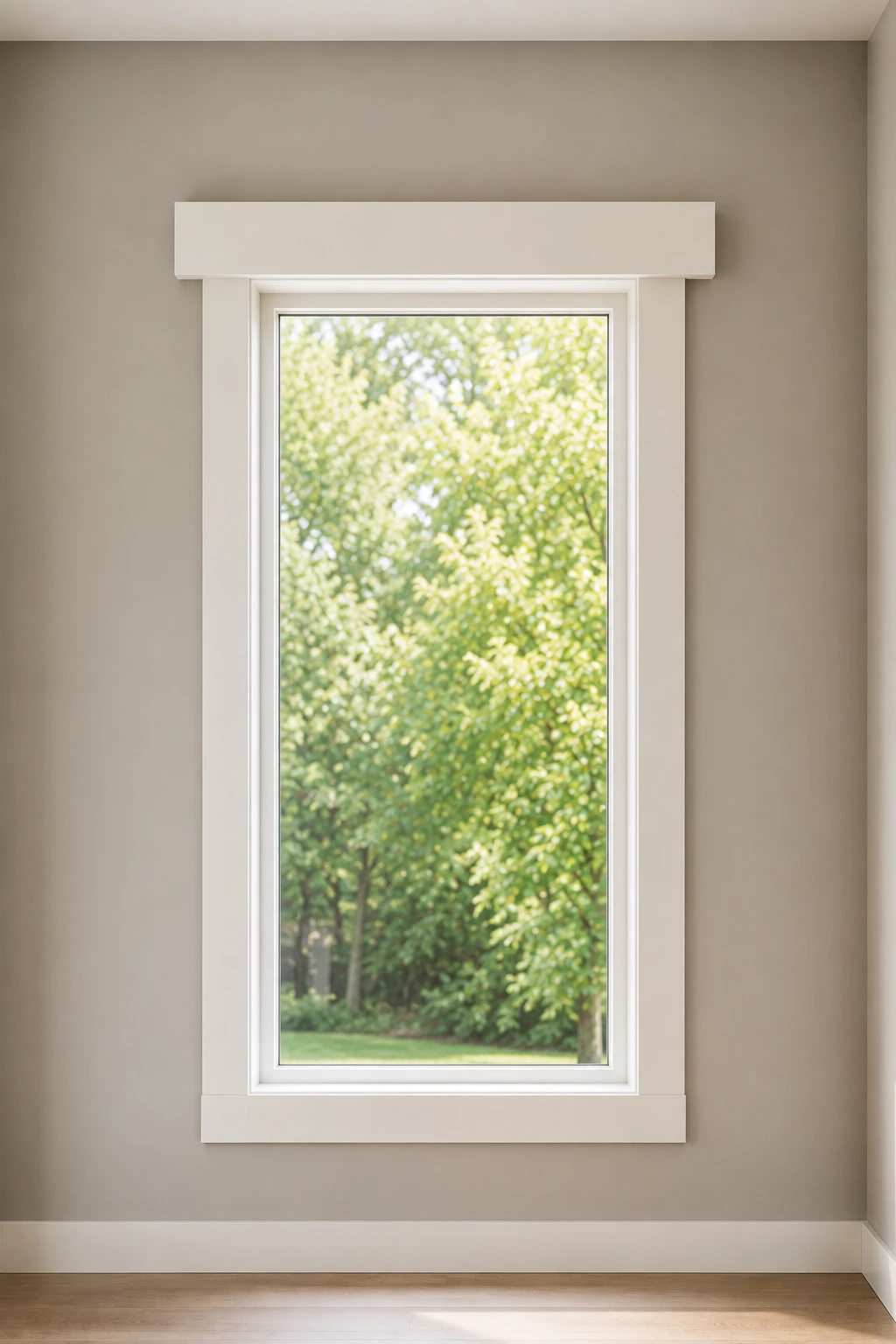
An extended top header gives a simple window more architectural weight by placing extra emphasis above the opening. The wider horizontal piece creates a strong finishing line, helping the window feel more substantial without adding complicated decorative details.
Keeping the side casing slim creates an appealing contrast in proportion. The eye naturally travels upward toward the broader header, while the clean white finish stands out gently against the warm neutral wall and keeps the overall treatment bright.
This idea can be particularly effective on tall, narrow windows that need a little more visual presence. A pronounced header adds width to the composition and creates a more tailored look while still allowing the window itself to remain the main feature.
Pro Tip: Let the top header extend slightly beyond the side casing, but keep its profile flat and restrained. A small difference in width is usually enough to create architectural emphasis without making the trim feel too heavy.
12. Integrate Window Trim Into Full Wall Paneling
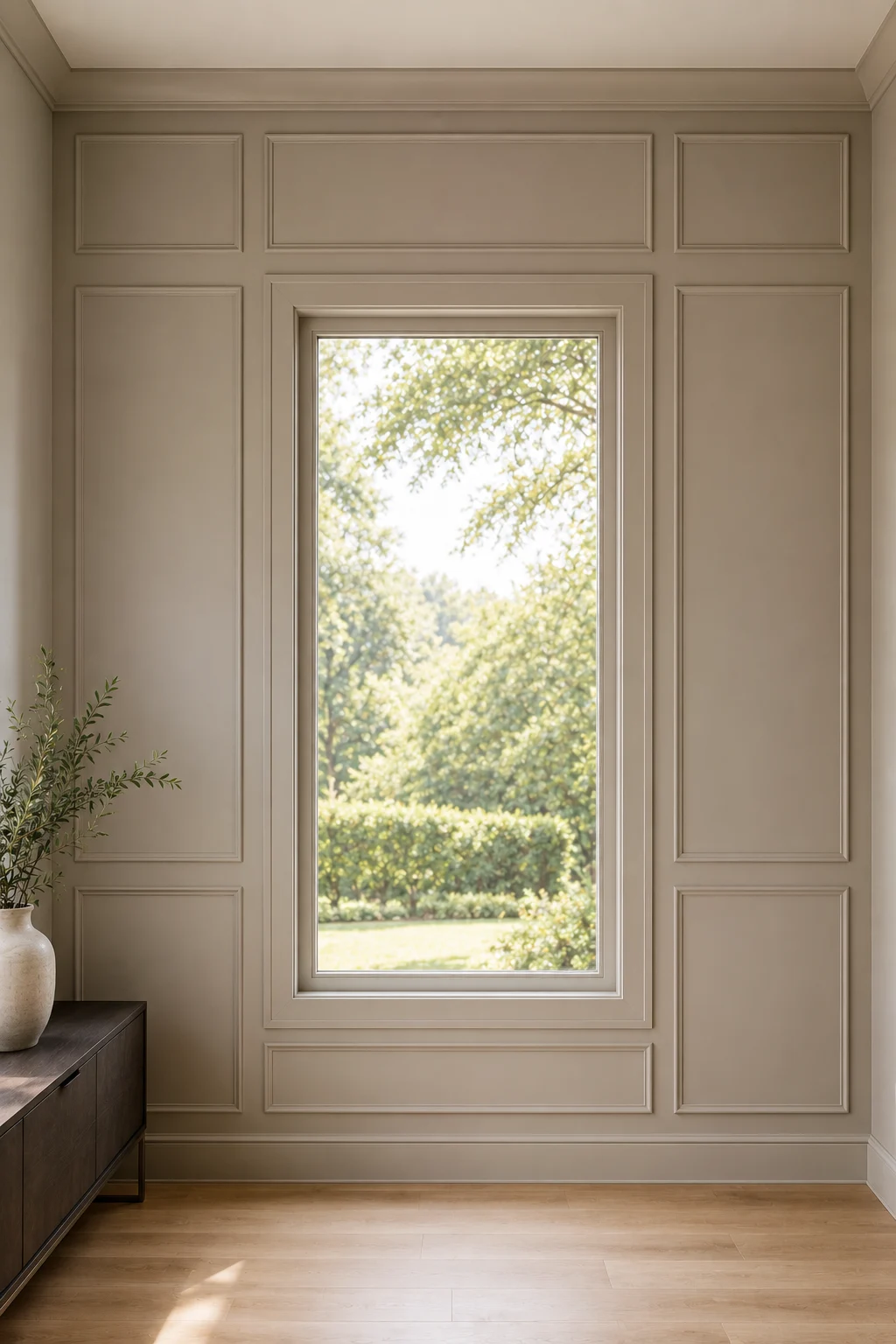
Extending the window trim into surrounding wall paneling creates a more complete architectural composition. Instead of treating the window as a separate feature, the casing connects visually with the rectangular molding around it, making the entire wall feel thoughtfully designed.
The tonal finish keeps all of that detail from becoming overwhelming. Because the casing, panel molding, and wall share a similar warm neutral color, subtle shadows and changes in depth define each section while maintaining a cohesive appearance.
This treatment works especially well on larger feature walls where standard casing can feel undersized on its own. Balanced panels around the window fill the surrounding space, emphasize its proportions, and give the wall a more tailored and finished character.
Pro Tip: Plan the panel dimensions around the window first so the spacing stays balanced on both sides. Consistent gaps between the casing and surrounding molding will make the entire wall look more intentional.
A More Considered Finish for Every Window
Window trim can do much more than cover the transition between a window and the surrounding wall. The right treatment can strengthen proportions, introduce contrast, add architectural depth, or help a window blend naturally into a larger wall design. Even relatively simple changes in casing width, color, or placement can noticeably influence the finished space.
Before settling on a design, consider the window size, wall color, ceiling height, and other architectural details already present in the room. Whether you prefer bold charcoal casing, subtle tonal trim, a deep reveal, or integrated paneling, the best choice is one that feels connected to the space rather than added as an afterthought.
