
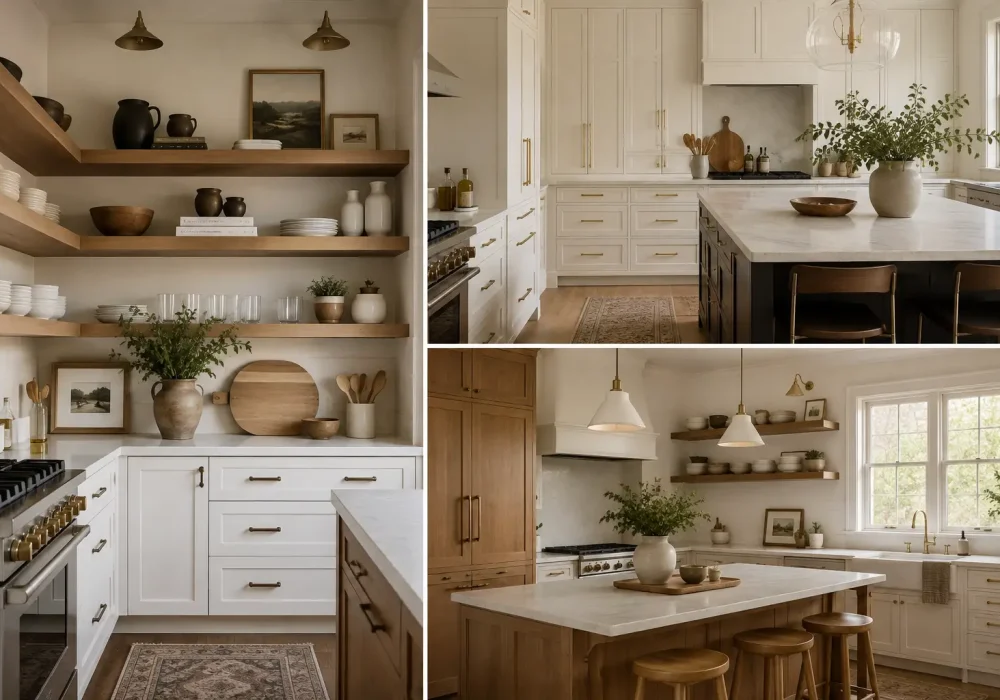
Choosing between open shelving vs closed cabinets is one of those decisions that seems simple until you actually start planning your kitchen, bathroom, or living room storage. Scroll through any design inspiration board and you will see gorgeous open shelves filled with perfectly styled dishes right next to sleek closed cabinetry that hides everything behind clean doors. Both looks are stunning in photos, but real life is a different story. If you have ever stood in a showroom or stared at a Pinterest board wondering which option actually makes sense for your home, this guide will walk you through everything you need to know before you commit.
What Is Open Shelving
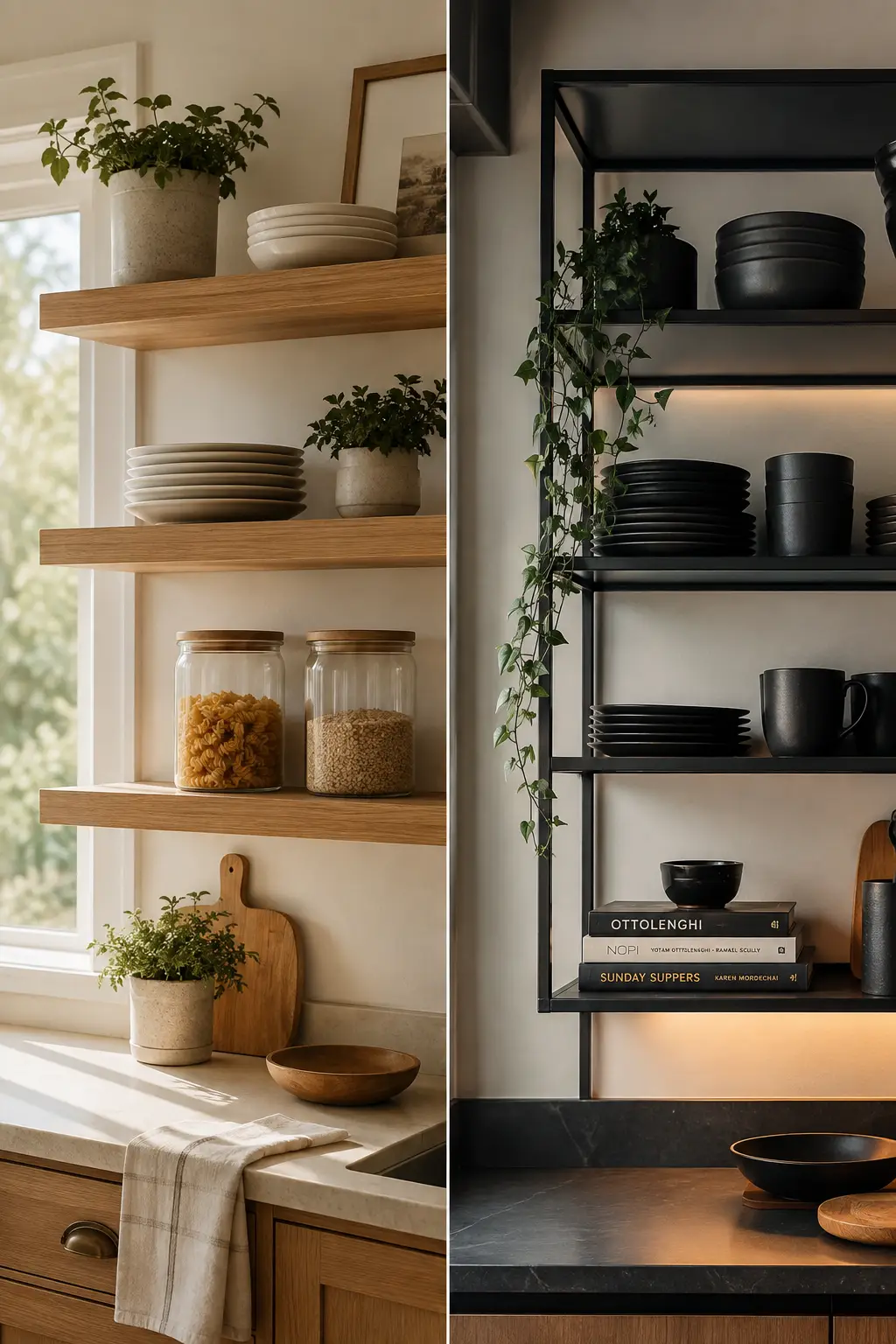
Open shelving refers to exposed shelves without doors or covers, allowing everything placed on them to be visible at all times. It is commonly used in kitchens above countertops, in bathrooms for towels and toiletries, and in living rooms for books and decor. The appeal lies in its airy, curated look that makes a room feel more spacious and personal.
Also Read: 15 Open Shelf Kitchen Ideas for a Stylish Modern Interior
Also Read: 11 Modern Open Shelving Kitchen Ideas That Look Stunning
What Are Closed Cabinets
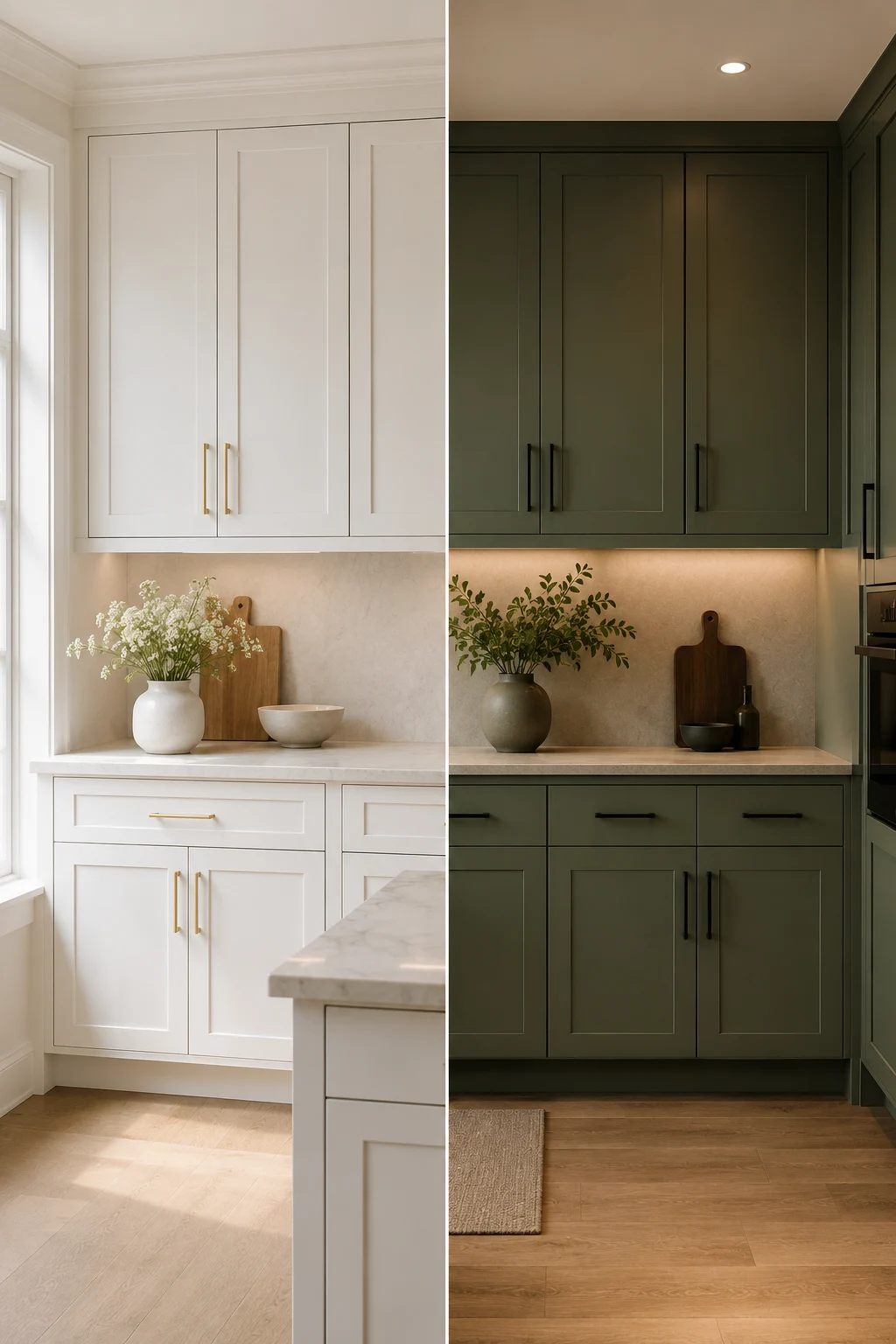
Closed cabinets are traditional storage units with doors or drawers that conceal their contents. They have been the standard choice in most homes for decades because they offer a clean, uniform appearance while keeping everyday clutter out of sight. Closed cabinets are especially common in kitchens, bathrooms, and entryways where storage needs to be both functional and discreet.
Open Shelving: The Pros
Open shelving genuinely transforms the feel of a room. Because there are no bulky doors, the space instantly feels lighter and larger, which is why so many small kitchens and apartments lean toward this style. It also makes daily items far more accessible since you can grab a plate or a mug without opening anything.
From a budget perspective, open shelving is usually much more affordable than full cabinetry. You are paying for simple boards and brackets rather than doors, hinges, and finished panels, which makes it a popular choice for renovations on a tighter budget. It also gives you the chance to display beautiful dishware, plants, or decor pieces, turning storage into part of your interior design.
There is also a psychological benefit worth mentioning. Since everything on open shelves is visible, most people naturally become more organized because messy or mismatched items stand out immediately. This built in accountability often leads to a tidier, more intentional space over time.
Open Shelving: The Cons
Of course, open shelving is not without its downsides. Dust and grease build up quickly, especially in kitchens near the stove, which means you will be wiping down shelves and dishes far more often than you would with closed storage. If you are someone who does not enjoy frequent cleaning, this can become a real source of frustration.
Clutter is also impossible to hide. Every mismatched mug, unopened mail pile, or random kitchen gadget is on display, which means you need to be intentional about what goes on the shelf and how it is arranged. This constant need for styling can feel like a chore rather than a joy for some homeowners.
Renters or those with a lot of mismatched dishware may also find open shelving less practical, since it often looks best with a curated, cohesive collection rather than whatever items you already own.
Closed Cabinets: The Pros
Closed cabinets solve most of the problems that come with open shelving. Clutter and mismatched items disappear behind doors, giving the room a clean and cohesive look no matter what is actually inside. This makes closed cabinets ideal for busy households where there simply is not time to style every shelf.
They also perform better in areas exposed to grease, steam, or humidity, such as kitchens near the stove or bathrooms with heavy shower use. Since the doors protect the contents, you will spend far less time cleaning dishes or glassware before use.
Closed cabinets tend to add more resale value to a home as well, since most buyers expect and prefer traditional cabinetry in kitchens and bathrooms. They are also a safer option for households with young children or pets, since items can be kept out of reach and away from curious hands. On top of that, closed cabinets typically offer more usable storage capacity, especially when designed with deep shelves or stacked compartments.
Closed Cabinets: The Cons
The biggest downside of closed cabinets is cost. Doors, hinges, and finished panels add up quickly, making full cabinetry a more expensive investment compared to open shelving. In smaller rooms, closed cabinets can also make the space feel heavier and more closed in, especially if the cabinet color is dark or the kitchen lacks natural light.
Another common issue is that items get forgotten once they are tucked behind closed doors. Without visual reminders, expired pantry items or unused kitchen tools can pile up unnoticed for months. Closed cabinets also leave little room for personal style, since everything you might want to display is hidden away rather than becoming part of the room’s decor.
Which One Is Right for You
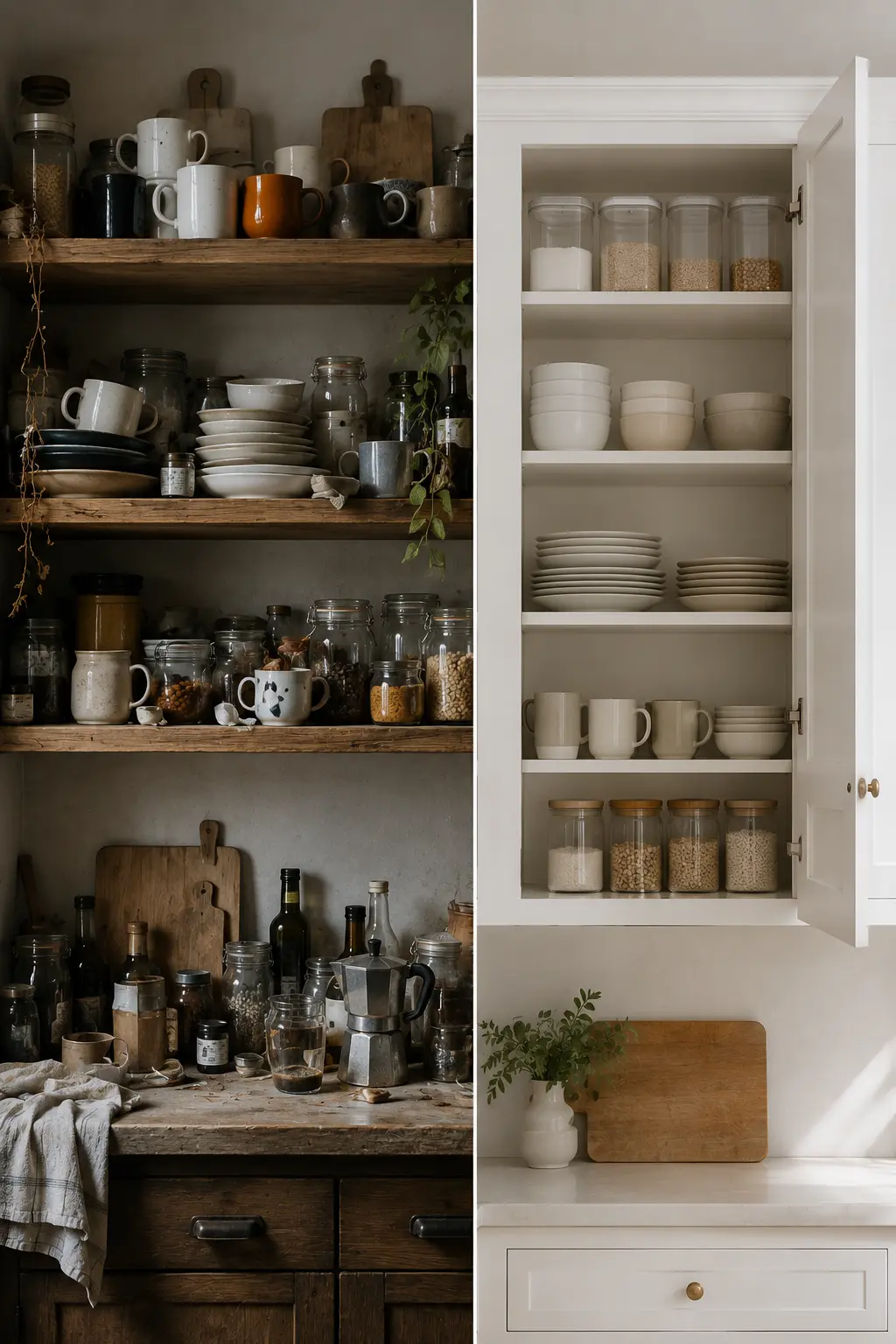
The right choice really comes down to your lifestyle, your space, and how much maintenance you are willing to take on.
If you have young kids or pets, closed cabinets are generally the safer and more practical option since they keep breakables and hazardous items out of reach.
If you are renting and want a low commitment upgrade, open shelving is often easier to install and remove without damaging the space, though it is worth checking with your landlord first.
If you love styling and decorating, open shelving gives you a creative outlet to showcase your personality, while closed cabinets leave little room for that kind of display.
If your space is small, open shelving can help the room feel larger and more open, whereas heavy closed cabinets may make a tiny kitchen or bathroom feel cramped.
If you cook often and deal with a lot of grease or steam, closed cabinets will save you from constant cleaning, since open shelves near a stove tend to collect residue quickly.
The Hybrid Solution
Many homeowners and designers are now choosing not to pick a side at all. A hybrid approach, where upper shelves are left open for display and lower cabinets remain closed for heavier storage, has become one of the most popular trends in modern kitchen and bathroom design. This setup gives you the best of both worlds: a stylish, personalized display area up top and practical, mess hiding storage down below. It is a great compromise for anyone who cannot fully commit to one style over the other.
Also Read: 12 Modern Open Kitchen Designs for a High-End Look
Also Read: 14 Outdated Home Decor Trends Quietly Losing Their Appeal
Quick Comparison
| Factor | Open Shelving | Closed Cabinets |
|---|---|---|
| Cost | Lower | Higher |
| Maintenance | High | Low |
| Storage capacity | Limited | High |
| Style flexibility | High | Low |
| Best for | Small spaces, renters, decor lovers | Families, busy households, resale value |
Final Verdict on Open Shelving vs Closed Cabinets
There is no single right answer when it comes to open shelving versus closed cabinets. Each option comes with real tradeoffs, and the best choice depends entirely on your household, your habits, and how much time you want to spend maintaining your storage. If you crave a light, personalized space and do not mind a little extra dusting, open shelving might be perfect for you. If you value convenience, hidden storage, and long term resale appeal, closed cabinets are likely the better investment. And if you truly cannot decide, the hybrid approach proves that you do not have to choose just one.
Whichever direction you go, the goal is the same: a storage style that fits how you actually live, not just how it looks in a photo.
